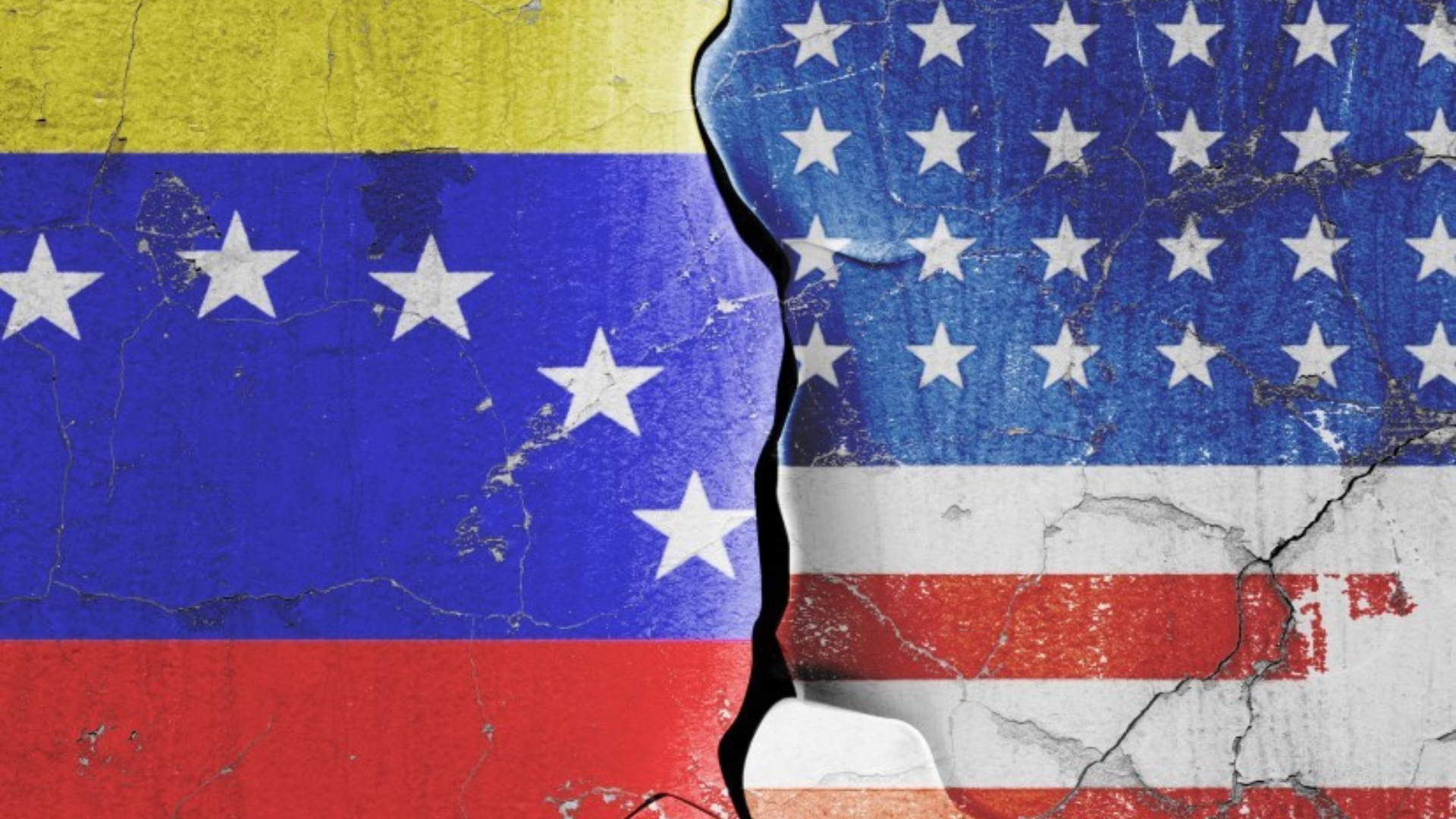

In the wake of the recent U.S. military intervention in Venezuela, a new Leger survey reveals a striking level of concern among people in Canada about the future direction of American foreign policy — including fears that Canada itself could one day be targeted.
According to the Leger poll, nearly one-third of Canadians (31%) believe it is likely that the United States could attempt “direct action” to take control of Canada in the future. This concern is not limited to Canada: many respondents also see a risk of future U.S. intervention in Greenland, Cuba, Colombia, Panama, and Iran.
Canadians Closely Watching U.S. Actions Abroad
Public attention to the U.S.–Venezuela conflict is widespread. Nearly two-thirds of Canadians (65%) say they are following developments involving the United States and Venezuela, a level of attention comparable to that seen in the United States.
The poll, which also surveyed 1,011 American respondents, suggests 20% of Americans think the U.S. government might attempt direct action against Canada in the future.
Among Canadians who believe future U.S. interventions are likely:
-
- 55% cite Greenland;
- 51% cite Cuba;
- 47% cite Colombia;
- 47% cite Panama;
- and 31% cite Canada itself.
Sovereignty Concerns Dominate Canadian Opinion
Canadians are also far more critical of the intervention itself.
-
- 53% of Canadians say the intervention was ultimately a bad thing because it violated Venezuela’s sovereignty and sets a dangerous precedent.
- Only 23% of Canadians believe the intervention was justified because it removed a corrupt regime and could lead to better governance, a position more common in the United States.
By comparison, 39% of Americans share this view.
Oil Seen as Key Motive Behind Venezuela Intervention
When asked what motivated the U.S. military action, nearly two-thirds of Canadians (63%) say the primary reason was to gain control of Venezuela’s oil reserves.
U.S. Government’s Image Suffers in Canada
The U.S. military operation in Venezuela has also had a negative impact on perceptions of the American government. 56% of Canadians say the intervention has worsened their impression of the U.S. government, while only 9% say it has improved their view.
Methodology
This online survey was conducted among 1,540 Canadian residents and 1,011 Americans residents aged 18 or older, between January 9 and 11, 2026. Respondents were randomly recruited through LEO’s online panel. Results were weighted by age, gender, region, language, education, and household composition.
A margin of error cannot be associated with a non-probability sample in a panel survey. For comparison, a probability sample of the Canadian sample (1,540) would have a margin of error of ±2.50%, 19 times out of 20, and for the American sample would have a margin of error of ±3.08%, 19 times out of 20.