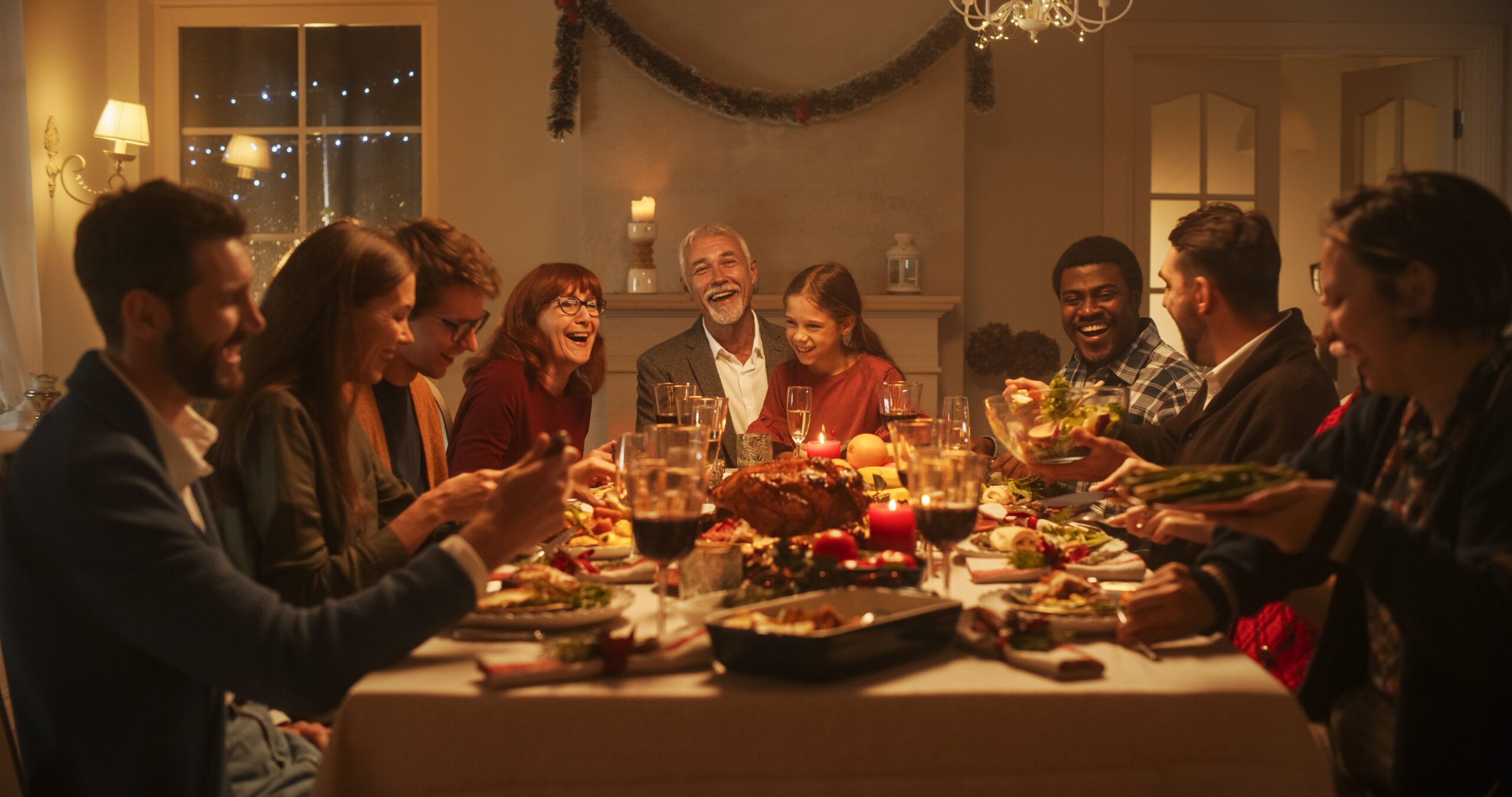

As the holiday season approaches, a new Leger survey reveals that Canadians are entering this time of year with mixed emotions. While many see it as a period of celebration and enjoyment, others associate it with stress, worry, or fatigue.
According to the findings, 33% of Canadians say they are very enthusiastic about celebrating the holidays, while 38% enjoy the season but feel relieved when it comes to an end. On the other end of the spectrum, 23% express discomfort linked to commercialization or the pressure of organizing the holidays, and 6% say they do not celebrate the holiday season at all.

When Stress Becomes Part of the Holiday Season
Behind the festive atmosphere, the holiday season is also a significant source of stress for many Canadians. Among those who celebrate, 79% report experiencing at least one source of stress during this period.
The most common sources of stress include:
-
- financial pressure (34%)
- family obligations (15%)
- lack of time (12%)
Holiday stress is particularly prevalent among women (83%), as well as Canadians aged 18–34 (89%) and Canadians aged 35–54 (83%). Conversely, 21% of respondents report not feeling stressed at all during the holiday season.
Holiday Traditions Remain Strongly Rooted
Despite these pressures, Canadians remain deeply attached to the traditions that define the holiday season and continue to take part in a wide range of activities.
Among Canadians who celebrate:
-
- 74% plan a special holiday meal
- 64% decorate their homes
- 31% expect to travel
- 19% plan to attend a religious service
Only 8% of respondents say they do not plan any of these activities, underscoring the enduring importance of holiday traditions.
The Holiday Tree: A Lasting Symbol
The holiday tree remains a central symbol of the holiday season in many Canadian households.
Among those who celebrate:
-
- 74% will put up a tree
- 62% will choose an artificial tree
- 10% will opt for a real tree
- 26% will not display a tree at all
New Year’s Resolutions: Not a Universal Tradition
The transition into the new year does not necessarily bring resolutions for most Canadians.
Only 24% say they plan to make New Year’s resolutions, while:
-
- 44% do not plan to make any
- 21% typically never make resolutions
- 12% remain unsure
Christmas, Easter, and Religious Diversity: Strong Attachment to Traditions
In an increasingly diverse Canada, opinions about religious public holidays remain clear:
-
- 67% of Canadians want Christmas and Easter to remain public holidays
- 20% support adding holidays from other religious traditions
- Only 6% favour reducing the number of religious holidays
Support for keeping Christmas and Easter is especially strong among Quebec respondents (76%) and Canadians aged 55 and over (78%).
“Merry Christmas” or “Happy Holidays”? A Generational Divide
Language preferences during the holiday season continue to spark debate. The findings highlight how the holiday season reflects broader cultural and generational shifts in Canadian society, which are in turn influenced by external factors.
While 53% believe that people should say “Merry Christmas”, 20% prefer “Happy Holidays” to be more inclusive. 25% have no preference.
Preferences vary sharply by age. 63% of Canadians aged 55 and older favor “Merry Christmas.” Meanwhile, 33% of those aged 18–34 prefer “Happy Holidays.”
The holiday season remains a deeply meaningful time for Canadians — rich in traditions, family gatherings, and shared rituals. At the same time, it is marked by financial pressure, time constraints, and evolving social debates around inclusion and tradition. Between celebration and stress, the holiday season continues to mirror the changing realities of Canadian life.
Methodology
This online survey was conducted among 1,519 Canadian residents aged 18 or older, between December 12 and December 15, 2025. Respondents were randomly recruited through LEO’s online panel. Results were weighted by age, gender, region, language, education, and household composition.
A margin of error cannot be associated with a non-probability sample in a panel survey. For comparison, a probability sample of this size would have a margin of error of ±2.51%, 19 times out of 20.